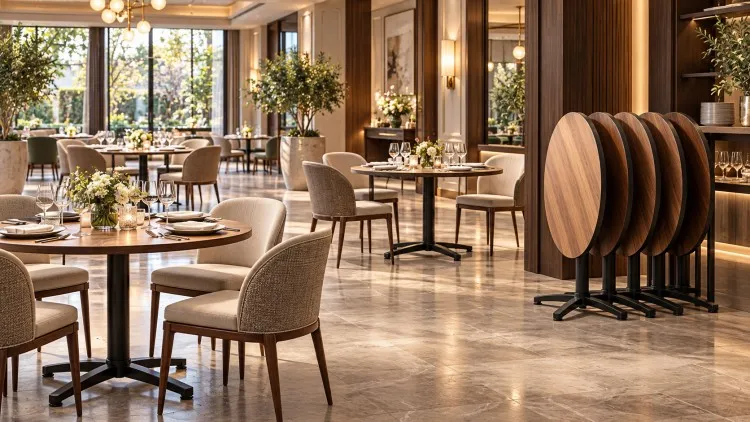
Custom Metal Table Legs: From Design Sketch to Mass Production (Haida’s Process)

Step 1: From Concept to Engineering Review
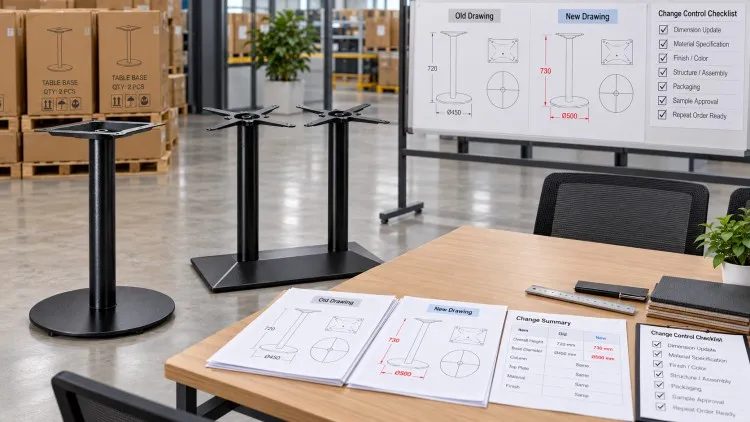
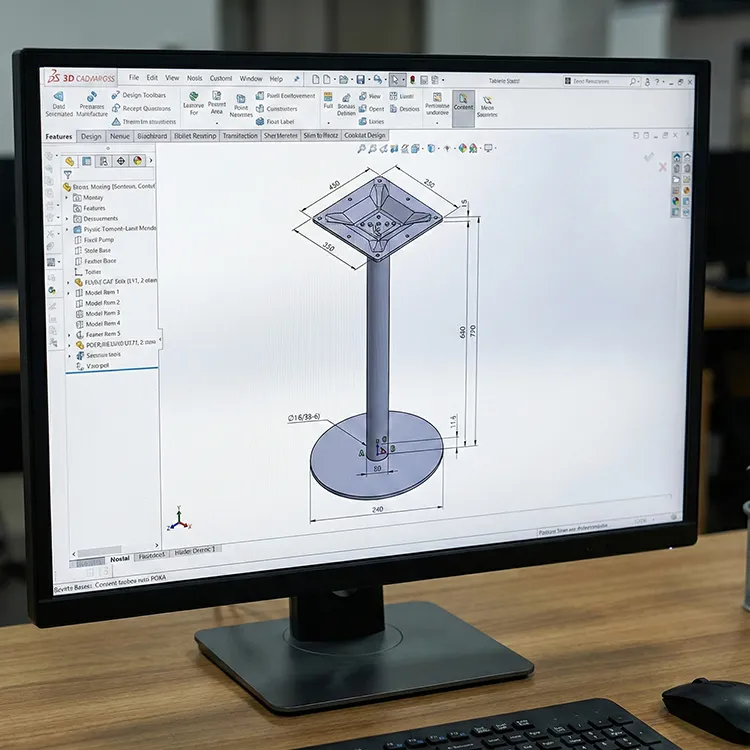
The first step in custom metal table leg development is usually not tooling or direct quotation. It is turning an idea into something the factory can evaluate. That input might be a hand sketch, a 3D drawing, a reference image, or even a rough structural concept.
A capable manufacturer reviews the design from a manufacturability perspective rather than simply copying it. The key checkpoints usually include structural stability, material suitability, opportunities to optimize material usage, whether the packaging can be converted into a KD (knock-down) design, and whether assembly consistency can be maintained at scale.
Step 2: Prototyping Is the Key Decision Point
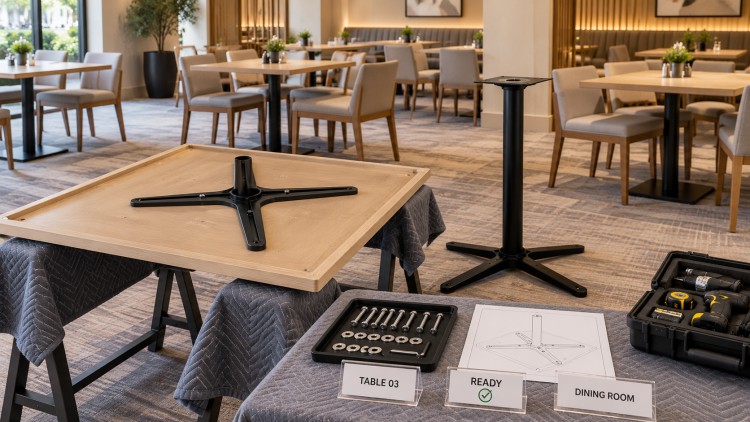
Before mass production begins, the sample stage is usually the most important confirmation point in any custom project. Proportion, weld quality, surface finish, stability, and how the piece looks inside a real space are much easier to judge in person.
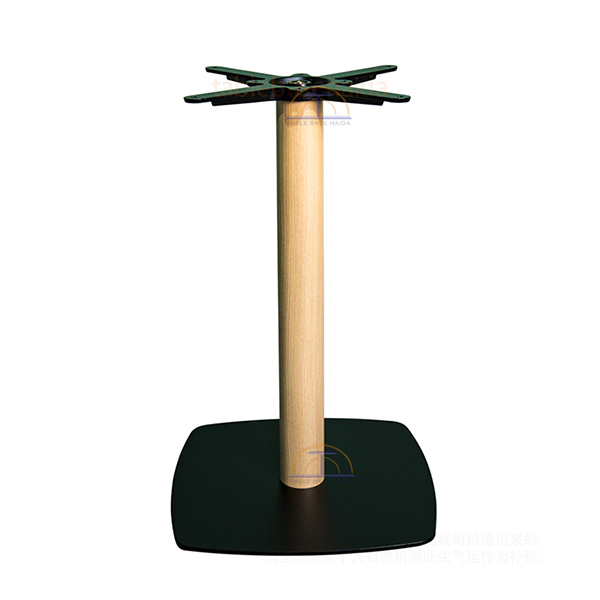
For commercial buyers, this stage is about confirming whether the design is truly ready for production. A product such as the Square Stainless Steel Table Base (HD-J124) is a useful reference point for this kind of project because it already reflects a mature square-base structure, multiple sizing options, and a KD-friendly approach.
Step 3: Unique Shapes Often Require Tooling and Deeper Development
When a project needs a more distinctive shape, the development process usually goes deeper. Cast-iron parts, special aluminum profiles, complex structural forms, or brand-specific silhouettes often require tooling.
At this stage, buyers should consider whether the mold investment can be justified by future order volume and whether the design has enough identity to become a long-term project asset. For heavy-duty restaurant applications, a product logic like the Heavy-Duty Cast Iron X-Base (HD-J053) can serve as a strong reference because it represents a more structural, commercial-strength approach to custom development.
Step 4: Mass Production Capability Determines Scalability
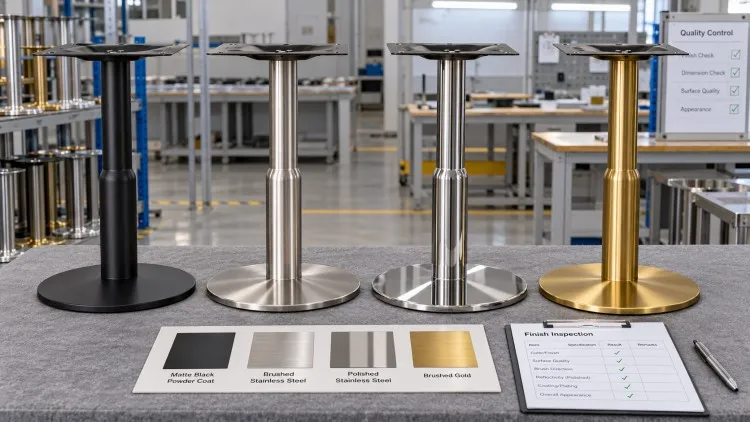
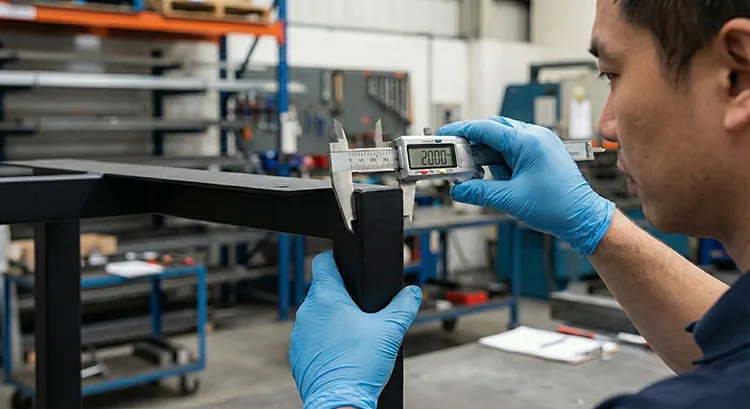
A mature customization partner treats quality control as part of the development chain, not as a final-minute inspection before shipment.
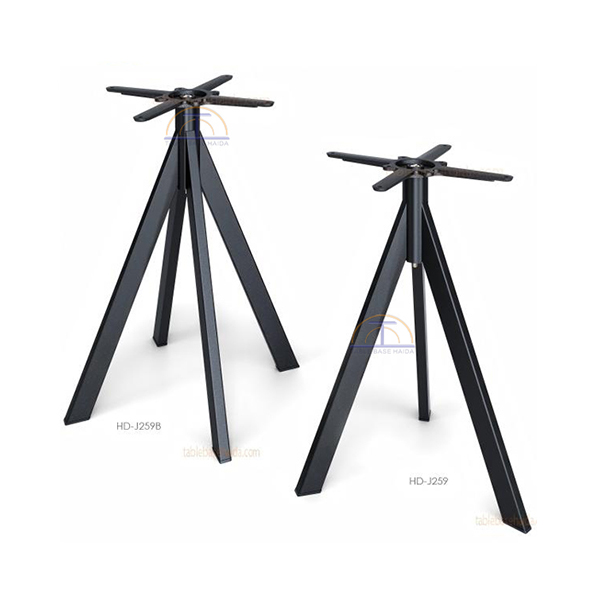
Different Projects Need Different Types of Custom Bases
Before Mass Production, Confirm More Than Just Dimensions
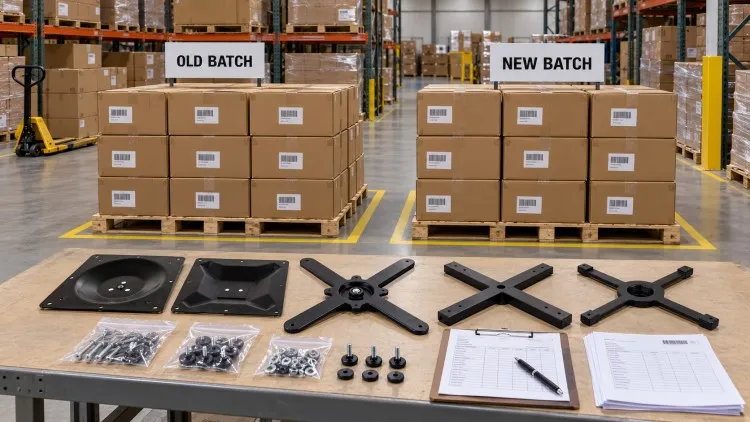
In commercial projects, delivery method matters just as much as dimensions. Whether the base supports KD packaging, how efficiently it loads into containers, how easy it is to install on site, and whether hardware can be standardized all have a direct effect on total procurement cost.
A product with a rational structure, mature packaging, and simple installation often creates more long-term value than a design that is visually different but operationally inefficient.
Final Recommendation
The real value of custom metal table legs is not simply turning an unusual shape into a product. It is delivering that product in a stable, controllable, and scalable way.